Learn · discover · participate
Puerto Rican Food: A Guide to the Table
Start with the flavors, understand the dishes, and discover what makes a Puerto Rican meal feel like home. This guide helps you explore a menu before you join the festival food line.
How to build your first plate
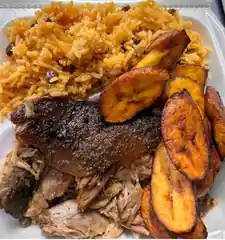
For a filling meal, start with a main dish such as pernil or a pincho, add a rice dish, and choose a plantain side. If you prefer to sample, order one fritura first and compare its filling and texture with a different dish. A group can share several small orders and experience more flavors without everyone choosing the same plate.
Ask what is included before ordering. A menu photo may show a combination meal while the listed price applies only to the main item. Ask whether rice, a side, sauce, or a drink costs extra. Portions and preparations differ between cooks; there is no single serving size that defines Puerto Rican food.
Savory, sweet, crispy, and comforting
Green plantains are starchy and usually savory; ripe plantains become sweeter. Mofongo has a mashed texture, tostones are flattened and crisp, and sweet fried plantains offer a soft contrast to rice and meat. These dishes share an ingredient but are not interchangeable.
Pasteles are wrapped bundles with a soft masa and a filling. Alcapurrias are fried, filled snacks with a crisp exterior. Pernil is roasted pork; arroz con gandules combines rice and pigeon peas. Pinchos are skewers, while piraguas offer shaved ice and flavored syrup. The individual guides explain what to expect and what to ask.
A small menu vocabulary
Sofrito is an aromatic cooking base rather than a finished side dish. Adobo describes seasoning, and a cook may use a homemade mixture or a prepared product. Relleno means filled or stuffed; a mofongo relleno has an added filling. Frituras refers broadly to fried foods, not to one specific recipe.
Gandules are pigeon peas, different from the beans often served as habichuelas. Yuca is cassava; yautía is another root vegetable used in some masas. Learning these names helps you ask a vendor a useful question instead of guessing from the appearance of a dish.
Family recipes are part of the story
Puerto Rican cooking is a living practice carried through home kitchens, restaurants, celebrations, and migration. A familiar dish can change with the household, available ingredients, or the needs of the people eating it. Differences in seasoning or filling can be meaningful family choices rather than mistakes.
Ask a cook what makes their version special. Their answer may introduce a family memory, a hometown connection, or a technique passed between generations. Enjoy the story without expecting one vendor to represent every Puerto Rican kitchen.
Questions before you order
If ingredients matter to you, ask about the complete preparation: meat in a filling, broth in rice, pork cracklings in mofongo, sauces, and shared frying oil. A vegetable-based dish is not automatically vegetarian. A dish made without wheat is not automatically prepared in a dedicated gluten-free space.
For the RVA festival, this is an educational food guide rather than a confirmed menu. Check the food vendor page for announced participants and ask each vendor about its current offerings. The 2026 food gallery documents a past celebration; it does not promise the same dishes for a future festival.